You require a Middlesex County GC who knows local codes, coordinates permits and inspections, and strategizes around seasonal constraints. Validate active licenses, insurance with additional insured wording, OSHA training, and vetted subs. Request itemized estimates, documented alternates, and live budget tracking. Anticipate critical-path schedules, weekly look-aheads, and coordinated special inspections. Require mockups, manufacturer-tied checklists, and photo documentation. Require clear RFI/CO workflows, client portals, and warranty protocols with as-builts and serials. Here's your guide to choosing with confidence.
Key Takeaways
- Middlesex County specialists: deep knowledge of local codes, zoning, inspections, and historic/conservation reviews to avoid delays and change orders.
- Thoroughly verified licensing and insurance: check trade licenses, copyright-issued COIs, additional insured endorsements, and workers' comp ahead of mobilization.
- Clear estimates and budgets: comprehensive scopes, itemized pricing, allocated allowances, ongoing cost tracking, and formalized change-order workflows.
- Tight scheduling and coordination: comprehensive critical-path planning, systematic resource leveling, weekly look-ahead planning, and inspection-linked milestones to keep projects on time.
- Rigorous quality control: examination of shop drawings, targeted inspections, audits for pre-pour and in-wall, trackable materials documentation, and progressive punchlists.
Exactly Why Regional Knowledge Is Essential in Middlesex County
While any contractor can quote a project, a Middlesex-based specialist knows the county's building codes, zoning ordinances, and inspection workflows completely, which minimizes delays and change orders. You gain precise permitting sequences, proper setback interpretations, and early coordination with local inspectors. A local pro anticipates utility mark-out timelines, understands Conservation Commission triggers, and specifies materials that pass regional testing.
You'll also receive guidance designed for Historic neighborhoods. A local expert documents existing conditions, handles certificate of appropriateness reviews, and sources period-accurate details without compromising structural or fire code. Seasonal challenges count, too. In Middlesex winters, you'll schedule foundation pours, curing, and enclosure strategies to protect assemblies. In humid summers, you'll plan ventilation, moisture control, and lead-safe practices that keep your site compliant and on schedule.
You also get guidance specific to Historic neighborhoods. A area expert assesses existing conditions, manages certificate of appropriateness reviews, and sources period-accurate details without compromising structural or fire code. Seasonal considerations matter, too. In Middlesex winters, you'll plan foundation pours, curing, and enclosure strategies to protect assemblies. In humid summers, you'll plan ventilation, moisture control, and lead-safe practices that keep your site compliant and on schedule.
You also receive expertise tailored to Historic neighborhoods. A area expert catalogs on-site conditions, oversees COA reviews, and sources period-accurate details without compromising structural or fire code. Seasonal challenges matter, too. In Middlesex winters, you'll schedule foundation pours, curing, and enclosure methods to protect assemblies. In humid summers, you'll organize ventilation, moisture control, and lead-safe practices that hold your site compliant and on schedule.
Essential Attributes of Trustworthy General Contractors
Since a project's success depends on the person coordinating it, dependable general contractors display verifiable licensing and insurance, transparent estimating, and disciplined schedule control. You should also expect clear scopes, line-item budgets, and documented change management to stop cost drift. Strong preconstruction planning, accurate material takeoffs, and proactive lead-time tracking keep inspectors, trades, and deliveries synchronized.
Demand rigorous site safety, daily logs, and quality control checklists that comply with code requirements. Look for Community partnerships that strengthen subcontractor depth and streamline permitting coordination. Effective communication is essential-weekly progress updates, RFIs addressed quickly, and submittals approved before mobilization. Focus on Emergency responsiveness: a contractor who responds to after-hours calls, secures the site during storms, and mobilizes repairs rapidly protects your timeline, budget, and property.
Licensing, Insurance, and Compliance You Should Confirm
Before you sign a contract, confirm the contractor's state license is valid, appropriately classified for your project scope, and free of disciplinary actions. Validate the license number with the state board and record the expiration date. Complete contractor verification for each required trade, including electrician, plumbing, and HVAC subcontractors.
Obtain insurance certificates directly from the insurer, not the contractor. Perform certificate validation for general liability (check limits and endorsements) and workers' compensation (active, non-exempt). Ask for additional insured status and primary, non-contributory wording on the liability policy. Ensure coverage matches the jobsite address and project description.
Check bonding capacity as required by code or municipality. Review OSHA training records, safety program, and EMR. Make certain manufacturer installation standards, permits, and inspections are adhered to.
Transparent Bids, Estimates, and Financial Oversight
You must require a clear scope breakdown that outlines tasks, materials, allowances, and exclusions. Demand itemized cost estimates with unit prices, labor rates, contingencies, and milestones to avoid scope creep and change-order surprises. Apply real-time budget tracking with documented variances and approvals so you can manage expenses and keep the project on track and code-compliant.
Precise Project Scope Outline
Although every project is different, a clear scope breakdown links your quote, estimate, and budget controls to the identical defined deliverables, preventing cost drift and change-order surprises. You will align expectations by recording site mapping, deliverable definitions, inclusions, exclusions, and acceptance criteria. Specify each contractor's tasks, performance standards, materials, and installation methods with references to pertinent codes and manufacturer requirements.
Establish phasing, access, utility shutdowns, and sequencing so vendors, crews, and inspectors follow a shared plan. Identify allowances, permitting responsibilities, shop drawings, submittals, mockups, testing, and closeout documentation. Set quality benchmarks, tolerances, and warranty parameters to prevent ambiguity. Bind milestones to measurable outputs, not vague effort. When you confirm conditions in the field and finalize scope language, you minimize rework, decrease timelines, and preserve your budget integrity.
Detailed Expense Breakdown
Even as design evolves, itemized cost estimates give you transparent control by breaking every bid into labor, materials, equipment, subs, overhead, and contingency connected to the defined scope. You examine unit costs, crew hours, and verified Labor Rates matching plan sheets and specifications. We list Material Sourcing by manufacturer, model, and lead times, separating taxable items from rentals. Permit Fees show up as their own line, following jurisdictional schedules, inspections, and required certificates. Equipment mobilization, waste hauling, and protection measures are calculated, not lump-summed. You'll approve alternates and value-engineering options with clear add/deduct pricing. Contingency Planning is structured, with allowances assigned to trades and triggers for release. This precision allows you to prevent scope creep, compare bids apples-to-apples, and authorize changes confidently.
Live Budget Management
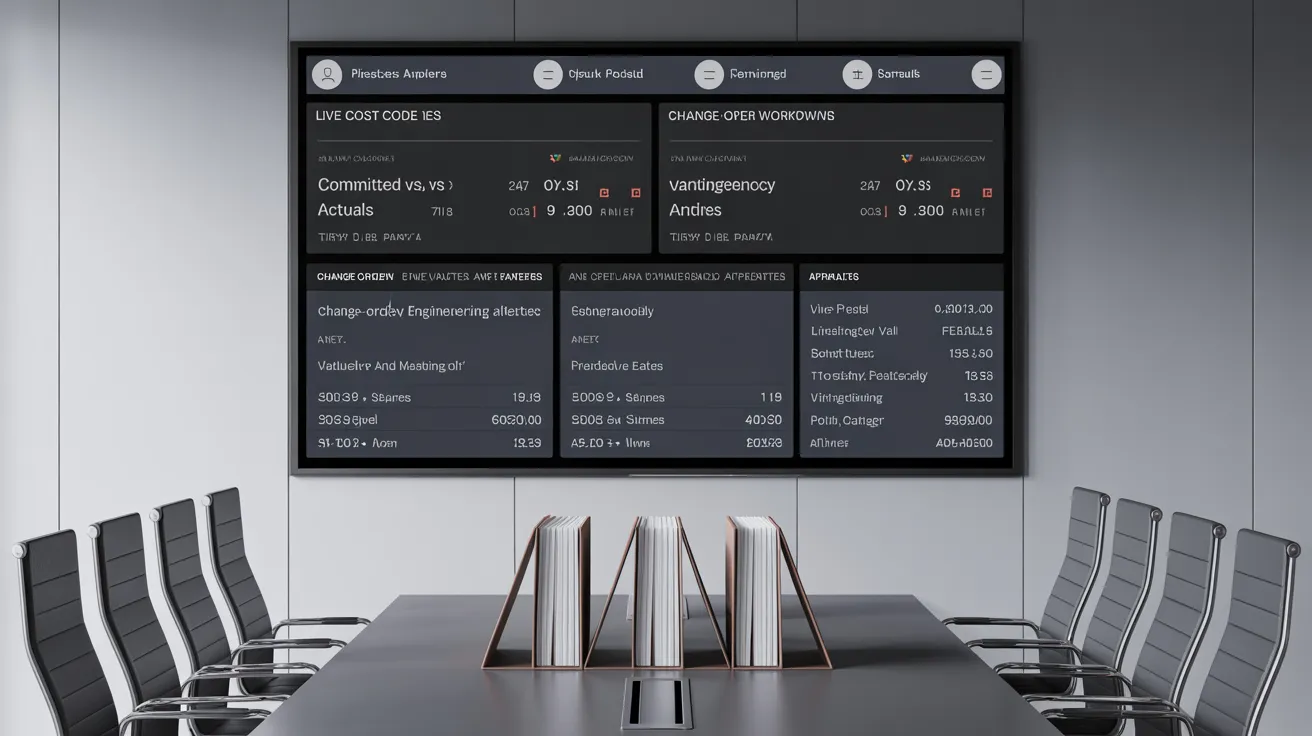
With line-item estimates in place, real-time budget tracking turns those numbers into live controls. You see budgets update as commitments, change orders, and inspected progress post to live dashboards. Each cost code syncs with schedules, specs, and vendor contracts, so you can validate scope before approving spend. Expense alerts flag variance by threshold—labor, materials, equipment, or permits—so you act before overruns escalate. You’ll compare committed vs. actuals, retainage, and contingency drawdowns in one view, aligned with Middlesex code requirements and documented approvals.
You greenlight change orders through digital means, securing pricing, timelines, and responsible parties. Audit logs record every modification. Cash flow forecasts update automatically, reflecting lead times and delivery milestones. This discipline keeps your bid transparent, your estimate verifiable, and your budget regulated.
Project Planning, Scheduling, and Timeline Management
Since all successful construction begins with planning, strategic project planning, scheduling, and timeline management synchronize scope, budget, and code requirements into a precise, actionable path. You'll establish milestones, deliverables, and critical paths upfront, then align them with permitting and inspection intervals to maintain compliance at the forefront.
Employ structured risk mitigation to detect schedule risks, then develop contingency planning with float, backup options, and resequencing possibilities. Build stakeholder alignment by verifying goals, decision gates, and communication cadence, so approval cycles won't delay progress. Implement resource allocation models that coordinate labor, equipment, and long-lead materials to each phase, avoiding bottlenecks.
Track baseline versus actuals weekly, adjust durations with real data, and update dependencies immediately. This disciplined approach preserves quality, protects budgets, and delivers predictable finishes.
Managing Subcontractors and Qualified Trades
You manage approved trades with meticulous scheduling and sequencing so each scope proceeds without clashes or delays. You verify workmanship at each milestone with documented quality checks and regulation-compliant inspections. You manage corrections promptly, ensuring all trades fulfill specifications, safety standards, and closeout requirements.
Scheduling and Sequencing
Schedule every trade to the minute to maintain your project on time, on budget, and code-compliant. You'll plot the critical path, sequence long-lead items, and establish milestone dates so each crew hits site precisely when prerequisites are met. Use resource leveling to balance labor, equipment, and deliveries, stopping stack-ups or idle time. Issue look-ahead schedules weekly, confirm submittal approvals, and tie inspections to task completions to prevent rework. Coordinate site logistics-staging, crane picks, utility shutdowns-so trades don't conflict. Align MEP rough-ins before closures, schedule weather-dependent work first, and phase interior finishes by zone. Track progress with daily updates, adjust float, and re-baseline when conditions shift. Communicate changes immediately to subcontractors, ensuring accountability and seamless, safe workflow.
Quality and Compliance Checks
With scheduling complete and crews properly sequenced, tighten control on quality and compliance by ensuring that every trade complies with spec, code, and submittal intent before work starts. Insist upon signed submittals, current licenses, and insurance in advance of mobilization. Verify shop drawings align with approved details and referenced standards. Conduct kickoff meetings to outline quality benchmarks, inspection hold points, and documentation requirements.
Execute compliance audits at established milestones: pre-pour, in-wall, and close-in. Use checklists tied to contract specs, manufacturer instructions, and local code amendments. Record test results, photos, and daily reports to verify conformance. Manage third-party special inspections and promptly close nonconformance items with corrective actions. Calibrate tools, protect installed work, and log traceable materials data. copyright a rolling punchlist, tie payments to verified outcomes, and update as-builts continuously.
Licensing, Inspections, and Regulatory Standards
Even though inspections and permits can appear overly administrative, they serve as the foundation of safe, code-compliant construction in Middlesex. You must have sanctioned plans, detailed scope documentation, and clear schedules that comply with local ordinances. Initiate the process by verifying use classifications, setbacks, and any needed zoning variances. If your project site is near wetlands or historic resources, schedule environmental assessments early to avoid delays.
Submit thorough applications, featuring structural calculations, energy standards, and MEP drawings. Arrange special inspections for footing, framing, fire-stopping, and life-safety systems. Retain permit cards on-site, reply swiftly to correction notices, and record revisions to ensure an auditable trail.
Ahead of your final inspection, check as-builts, accessibility requirements, smoke and CO alarms, and utility sign-offs. Only after that should you apply for the certificate of occupancy.
Craftsmanship Excellence and Material Options
Because materials dictate lifecycle and performance costs, establish craftsmanship standards before you bid, then apply them on-site. Define tolerances, substrate prep, fastening schedules, and moisture limits according to manufacturer specs and local codes. Specify mockups for critical interfaces and artisan finishes to verify texture, sheen, and edge detailing.
Select assemblies based on tested ratings: fire, acoustic, structural, and energy performance. Require environmental product declarations and sustainable sourcing for lumber, stone, and metals; verify chain-of-custody and VOC compliance. Detail corrosion resistance, UV stability, and thermal movement allowances in exterior packages.
Create submittal checklists: product data sheets, shop drawings, warranties, and maintenance procedures. Inspect deliveries for lot numbers and imperfections, then document installations with photographs and punchlists. This ensures durability, warranty eligibility, and a consistent lifecycle budget.
Communication Guidelines and Change Order Protocols
You set clear communication channels from day one-defined points of contact, response times, and documented updates-so choices remain trackable and code requirements aren't missed. You also mandate transparent change orders that detail scope, pricing, schedule impact, and approvals before work proceeds. With rigorous logs and sign-offs, you manage risk, budget, and compliance during the full project lifecycle.
Transparent Communication Methods
How do projects in Middlesex remain on schedule and within budget? You create clear communication channels from day one. Establish contact protocols: who you contact for design clarifications, who authorizes field decisions, and who verifies inspections. Set a response-time standard for RFIs, submittals, and punch items. Utilize a secure client portal to centralize drawings, schedules, daily logs, and photo documentation, so you and stakeholders consult the same, current set.
Schedule standing touchpoints: a weekly OAC meeting with action items, and a quick daily huddle for field coordination. Record every directive in writing, time-stamp it, and link it to the relevant spec section and plan sheet. Track decisions against milestones and budget codes. By maintaining channels available, structured, and traceable, you minimize rework, delays, and cost drift.
Transparent Change Orders
Build a solid foundation by making change orders transparent, standardized, and fast. This prevents unexpected issues by defining a clear workflow: written change request, timeline and budget impact, client approval, and official field release. Link every request to specifications, drawings, and regulatory codes so scope adjustments remain compliant and traceable.
Utilize budget transparency to list labor, materials, equipment, permits, and markup. Supply unit rates, schedule deltas, and critical-path impacts before you move forward. Insist on digital signatures and time-stamped logs so audit trails withstand under inspection.
Set thresholds for minor versus major changes, with set response times and escalation paths. Provide revised drawings and updated CPM schedules right after approval. Close the loop with as-builts and updated allowances, ensuring clarity, cost control, and accountable delivery across your project.
Warranty Services and Post-Project Care
After the final walkthrough, a comprehensive warranty and support plan safeguards your investment and ensures the project compliant. You should receive written coverage outlining workmanship, materials, and manufacturer obligations, with clear start dates, claim procedures, and response times. Ensure that labor and parts are included and that remedies comply with local codes and check here inspection requirements.
Inquire about Extended warranties that lengthen structural, roofing, and MEP coverage, particularly for high-use systems. Pair them with Maintenance agreements that schedule seasonal tune-ups, filter changes, sealant checks, and safety testing to protect warranties and document performance.
Expect a well-defined post-project support channel, copyright procedure, and issue documentation log. Your contractor should oversee warranty coordination, submit claims, and complete punch list tasks promptly. Request final documents: as-builts, manuals, equipment serials, and maintenance schedules.
Common Questions
How Do You Address Unexpected Site Contamination or Hazardous Material Findings?
You halt work at once, secure the location, and inform stakeholders. You commence a rapid Hazard Assessment, engage certified industrial hygienists, and collect samples. You disconnect utilities, post signage, and implement PPE and decontamination protocols according to OSHA/EPA. You prepare Remediation Planning with a licensed abatement contractor, submit necessary permits, and generate a site-specific health and safety plan. You coordinate waste profiling, approved disposal, air monitoring, and clearance testing, then document everything and resume work only after proper authorization.
Which Dispute Resolution Alternatives Are Available Before Legal Action?
You can pursue mediation services, collaborative negotiation, or a formal dispute review board before litigation. Initiate the process by reviewing contract ADR clauses, issuing a written notice of dispute, and exchanging position statements. Schedule a facilitated settlement meeting with clear agendas, key decision-makers in attendance, and cost/time data. If the matter remains unresolved, engage a neutral mediator, then non-binding expert determination. Document everything, follow code-compliant procedures, and set timelines for escalation to arbitration according to the contract if settlement fails.
Are You Able to Work Around Occupied Homes Without Disrupting Daily Routines?
Absolutely, you can depend on careful coordination to work around occupied homes without disrupting regular activities. Our approach includes thoughtful, low-noise staging and quiet scheduling to minimize noise. We sequence tasks, protect pathways, and arrange temporary access so families move freely. Crews follow code-compliant containment, HEPA filtration, and dustless tear-out. We establish daily periods for louder work, post clear signage, and maintain immaculate sites, ensuring protection, privacy, and reliable progress.
What Methods Do You Use to Protect Landscaping and Neighboring Properties During Construction?
You safeguard landscaping and adjacent properties by initiating pre-construction surveys and clear site logistics. You establish Perimeter fencing, silt socks, and Soil erosion control blankets, then stage materials on mats to avoid root compaction. You identify trees, wrap trunks, and use plywood paths for equipment. You manage drainage with swales and stabilized construction entrances. You manage dust with water, limit work hours, and communicate with neighbors. You document compliance and restore disturbed areas.
What Are Your Data Privacy Practices for Project Photos and Smart-Home Access?
You manage access and photographic content. For instance, prior to a kitchen remodel, you authorize photo angles, we obscure addresses, and we set expiration dates for smart-lock codes. We need Client consent in writing for any project images, regulate who can access them, and audit downloads. Storage security encompasses encrypted cloud repositories, MFA, role-based permissions, and regular key rotation. Smart-home access implements unique, expiring credentials, activity logs, and immediate revocation at project end, with documented chain-of-custody.
Wrapping Up
You've seen why local know‑how, licensing, detailed bids, and structured schedules keep Middlesex projects progressing smoothly. Opt for a contractor who respects codes like gospel, builds like a master, and communicates like clockwork—even when change orders complicate matters. Check insurance, demand transparent budgets, and require documented inspections. Then, like building Rome brick by brick, your project will stand the test of time. With solid warranties and post-completion support, you won't just finish-you'll finish right.